sips.cm
Bouye
Fruit Nectar Non-Alcoholic

Bouye

Baobab Fruit Juice

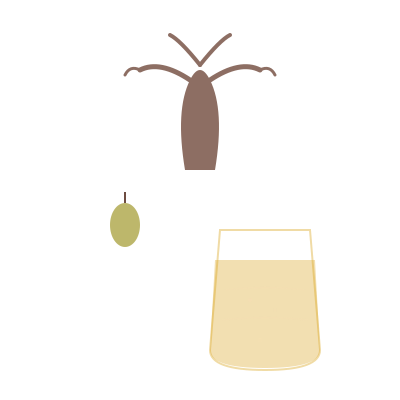
Sourced from the iconic Adansonia digitata, Bouye is fundamentally rooted in the culture of Northern Cameroon. The baobab fruit’s dry, powdery pulp is rehydrated into a thick, creamy liquid reminiscent of milk. It is both a primary entertainment beverage during ceremonies and a potent traditional medicine.

100% Non-Alcoholic
Ingredients

Natural, dry, powdery pulp from the fruit of the Adansonia digitata (Baobab) tree. The pulp is rehydrated with warm water to create the nectar.

Production Method

The dry pulp is separated from the fruit’s seeds and fibers, then rehydrated and rigorously stirred in warm water until it achieves a smooth, creamy consistency. It is often served naturally or lightly sweetened.

Taste Profile

Thick, creamy, and mildly tart. It has a unique flavor profile that is both citrusy and slightly sweet, with a rich mouthfeel similar to a yogurt drink.

Superfood

The Tree of Life

The Baobab is revered across the Sahelian regions of Cameroon as Africa’s 'Tree of Life.' Bouye is the paramount beverage for entertaining guests during traditional ceremonies and remains deeply embedded in northern social life.

Traditional pharmacology utilizes the pulp as a febrifuge to relieve fever, a painkiller, and a rapid remedy for digestive distress. Clinical evaluations confirm its liver-protecting properties and its efficacy in blood glucose regulation.

Its high dietary fiber content provides a powerful prebiotic effect, promoting digestive health. It is a critical dietary supplement for managing overall wellness in the harsh Savannah climate.

Wellness

Health Benefits

Beyond its cultural significance, Bouye offers a range of natural health benefits.

Prebiotic Fiber

High fiber content supports digestive health and gut microflora.

Glycemia Regulation

Significant positive effects on blood glucose management.

Liver Protection

Documented hepatoprotective properties from natural bioactive compounds.

Regions

Where to Find Bouye

Discover the regions where this traditional beverage is most celebrated.

Far North Region

Heartland of the Baobab tree, where the fruit is harvested and processed.

North Region

Widely consumed as both a refreshing juice and a medicinal tonic.

You Might Also Like

Explore other traditional Cameroonian beverages.

Sources & References

  1. 1 African Journal of Food Science - Influence of different traditional production processes on the antioxidant capacity of baobab juice
  2. 2 Is Africa's Ancient Baobab Tree Growing the Next Superfood? | National Geographic
  3. 3 Adansonia digitata L. (Baobab) Bioactive Compounds and the Potential Effect on Glycemia - PMC
Explore More

Discover More Traditional Drinks

Cameroon has a rich heritage of traditional beverages. Explore our full collection to learn about each unique drink.